

Did you know that in 2026, over 45% of engagement rings in the United States now feature a lab-grown stone? This shift marks a major turning point in how we celebrate commitment, yet the choice between a lab grown vs natural diamond remains one of the most personal and complex decisions you'll make. You might feel overwhelmed by technical terms or worry about whether your choice will hold its emotional and financial value over the years. We believe you deserve the same transparency we provide every neighbor who walks into our San Diego showrooms.
It's common to feel caught between the desire for a larger stone and the traditional prestige of a natural gem. This guide will provide objective proof that both options are chemically identical diamonds while clarifying the trade-offs between immediate scale and enduring rarity. We'll explore the latest 2026 market shifts, including new international labeling laws and updated GIA grading standards, so you can move forward with absolute confidence in your purchase for a lifelong commitment.
Key Takeaways
- Learn why lab-grown diamonds are chemically identical to natural stones; this dispels common myths about "synthetic" or "simulated" alternatives.
- Discover how the 4Cs of diamond quality apply to both types of gems, ensuring you get the brilliance and fire you expect for your commitment.
- Weigh the financial benefits of a lab grown vs natural diamond to decide if you prefer the scale of a larger stone or the enduring rarity of a natural one.
- Understand how 2026 regulations and grading changes impact your purchase, helping you evaluate your options with expert transparency.
- See why an in-person comparison at a local San Diego showroom provides the clarity you need to make a confident, lifelong investment.
Defining the Modern Diamond: Origin and Composition
You'll often hear terms like lab-grown, lab-created, and man-made used interchangeably in the jewelry industry. While the names vary, they all refer to stones created through advanced technology rather than geological forces. Choosing between a lab grown vs natural diamond doesn't mean choosing between a real stone and a fake one. Both are composed of pure carbon arranged in a crystal lattice structure. Scientific analysis of Synthetic diamond composition and properties confirms that lab stones are physically and chemically identical to earth-mined gems. They share the same hardness, refractive index, and brilliance that has made diamonds a symbol of endurance for centuries.
Natural Diamonds: The Appeal of Rarity
Natural diamonds are a finite miracle of nature. They formed over a billion years ago under immense heat and pressure within the Earth's mantle. Volcanic activity eventually carried them toward the surface; they remained there until discovery. This long journey creates unique "birthmarks" or inclusions. These tiny geological fingerprints tell a story of the Earth's history, making every natural stone a one-of-a-kind artifact. Because the earth's supply is limited, these stones carry a sense of prestige and rarity that many families value for their legacy pieces.
Lab-Grown Diamonds: Innovation in the Jewelry Industry
Modern laboratories have mastered the art of replicating nature's most intense environments. Understanding how are lab grown diamonds made reveals a process of incredible precision. Scientists use either High Pressure High Temperature (HPHT) or Chemical Vapor Deposition (CVD) to grow a diamond from a tiny carbon seed. This innovation allows for ethical transparency and a sustainable approach to luxury. For many of our clients in San Diego, this technological feat offers a way to integrate a high-quality stone into a custom design jewelry piece while supporting modern manufacturing practices. It's a choice that honors both tradition and progress.
Side-by-Side Comparison: Aesthetics and Grading
When you place a lab grown vs natural diamond side-by-side, your eyes won't find a difference. Both stones are evaluated using the same 4Cs of diamond quality: Cut, Color, Clarity, and Carat. Because they share an identical crystal structure, they interact with light in the exact same way. You'll experience the same brilliance, fire, and scintillation regardless of the stone's origin. Both gems rank as a 10 on the Mohs scale of mineral hardness, making them the most durable substances on Earth for daily wear.
Certification provides the transparency you need for such a significant investment. When evaluating a lab grown vs natural diamond, the Gemological Institute of America (GIA) applies rigorous standards to ensure you know exactly what you're purchasing. According to GIA's analysis of lab-grown diamonds, modern grading reports now offer specific color and clarity grades for lab stones, mirroring the reports for natural ones. This standardization removes the guesswork and protects your investment over time.
Can You See the Difference?
To the naked eye, a lab-grown diamond is completely indistinguishable from a natural one. Even experienced jewelers require specialized laboratory equipment to identify the origin of a stone. For full transparency, lab-grown diamonds feature microscopic laser inscriptions on the girdle that identify them as laboratory-created. These marks are invisible without a jeweler's loupe; they ensure the aesthetic beauty of your ring remains untouched while maintaining ethical disclosure.
Performance in Daily Wear
Choosing the right diamond ring cuts is the most critical factor in how your stone will sparkle over decades. Some myths suggest that lab stones might "cloud" or change color over time, but this is simply untrue. Because both stones are pure carbon, their appearance is permanent. Whether you choose a natural heirloom or a modern lab stone, your diamond will maintain its fire for a lifetime. If you have questions about how a specific cut might look in person, our team is always available to discuss your preferences.
The Value Equation: Cost vs. Long-Term Rarity
Deciding between a lab grown vs natural diamond often comes down to your priorities for the future. Price is the most immediate factor; lab-grown stones typically offer a cost savings of 30% to 70% compared to natural diamonds of similar quality. This price gap allows you to prioritize a larger center stone or a more intricate setting while staying within your planned budget. For those exploring their options online, you can learn more about Direct Product Sales of Lab-Grown Diamond Jewelry to see how these efficiencies benefit the consumer. However, it's vital to understand the market forces behind these numbers. While technology makes lab stones more accessible, natural diamonds remain a finite resource with a supply that decreases every year.
Transparency is the foundation of our relationship with you. We follow strict FTC guidelines for jewelry marketing to ensure you understand the origin and value of your purchase. When considering resale or trade-in potential, natural diamonds historically maintain a more stable market position. Lab-grown diamonds, while beautiful, are produced in laboratories where supply can scale with demand. This difference in rarity is why natural stones often command a premium and are viewed as more traditional financial assets over time.
Rarity and Investment Potential
Natural, GIA-certified diamonds carry an intrinsic value based on their scarcity. Because they take billions of years to form, they are often chosen as heirloom pieces intended to be passed down through generations. If your goal is to own a stone that retains a higher percentage of its initial value, a natural diamond is the conventional choice. It represents a piece of the earth that can never be replicated, making its rarity a permanent part of its appeal.
The Utility of Lab-Grown Diamonds
We often frame the lab-grown choice as a "lifestyle" purchase. It's an excellent option if you want to maximize the 4Cs without the rarity premium. You can secure a stone with the highest color and clarity grades for a fraction of the cost of a natural equivalent. This choice isn't about long-term financial appreciation; it's about the joy of wearing a stunning, high-performance diamond every day. If you're ready to see these differences in person, contact our San Diego experts to compare stones side-by-side.

Choosing Your Diamond in San Diego: The Showroom Experience
While digital research helps narrow your preferences, nothing replaces the confidence of a side-by-side comparison in a professional environment. Seeing a lab grown vs natural diamond under correct lighting allows you to judge brilliance and fire for yourself. At our San Diego locations, we provide a transparent, educational atmosphere where you can compare different stones without the pressure of a sales pitch. This hands-on approach ensures that the diamond you choose for your commitment looks exactly as you imagined before it's set.
The Custom Design Journey
Whether you select a natural heirloom or a modern lab-grown gem, your stone deserves a setting that reflects your unique story. We specialize in custom design jewelry, allowing you to integrate your chosen diamond into bespoke engagement rings or wedding bands. Our process utilizes advanced CAD modeling; this gives you a digital preview of your final piece before we ever touch the metal. It's a collaborative experience that turns your vision into a tangible reality.
Local Expertise and Lifelong Care
A significant life purchase shouldn't end at the point of sale. Choosing a local San Diego jeweler means you're establishing a lifelong professional relationship. We stand behind every stone we sell, providing the necessary care to keep your jewelry in pristine condition. From prong retipping to professional cleaning and resizing, having a trusted partner nearby ensures your investment remains secure. Our commitment to our neighbors in the service community and across San Diego is built on years of reliable expertise and a moral compass that values integrity above all else.
If you're ready to see the brilliance in person, we invite you to book an appointment for a personalized consultation. Let's find the perfect stone for your legacy together.
Step Into Your Future with Confidence
You now understand that the choice between a lab grown vs natural diamond isn't about authenticity; it's about your personal values and how you want to celebrate your unique legacy. Whether you're drawn to the billion-year history of a natural stone or the modern innovation of a lab-grown gem, both options offer a lifetime of brilliance and durability. Our goal is to ensure your decision is based on education and transparency rather than high-pressure sales tactics. We believe you deserve a partner who respects your budget and your vision for a lifelong commitment.
With locations in both Downtown San Diego and North County, we provide a welcoming space where you can explore these differences in person. Every consultation includes our professional GIA-certified expertise and honest, transparent pricing. This approach ensures you feel confident and protective of your investment from the very beginning. We invite you to Book a Consultation in San Diego to Compare Diamonds Side-by-Side and begin a lifelong professional relationship with a jeweler who truly cares about your story. We look forward to helping you find the perfect stone for your enduring commitment.
Frequently Asked Questions
Are lab-grown diamonds "fake" diamonds?
No, lab-grown diamonds aren't fake or simulated stones. They consist of the same carbon crystal structure as natural gems; they share the same physical properties. Unlike cubic zirconia or moissanite, which are different minerals entirely, these are authentic diamonds created in a controlled environment. When comparing a lab grown vs natural diamond, you're looking at two versions of the same gemstone with different origins.
Do lab-grown diamonds have a GIA certificate?
Yes, lab-grown diamonds receive grading reports from the Gemological Institute of America (GIA). These certificates provide a full assessment of the 4Cs: cut, color, clarity, and carat weight. GIA updated its reporting standards for laboratory-grown stones to offer more specific grading tiers. This ensures you have the same level of transparency and protection as you would with a natural stone purchase.
Will a lab-grown diamond test as a real diamond?
A lab-grown diamond will test as a real diamond on standard thermal and electrical conductivity testers. Because they are composed of pure carbon, they react to testing equipment in the exact same way as a natural stone. Only specialized laboratory equipment used by gemological institutions can distinguish the growth patterns that separate the two. This confirms the scientific reality that both are authentic diamonds.
Do lab-grown diamonds hold their value like natural diamonds?
Lab-grown diamonds generally don't hold their resale value as effectively as natural diamonds. Natural stones are finite resources; this historically leads to more stable market pricing over time. In contrast, lab-grown stones are manufactured products with an increasing supply. While you'll save significantly on the initial purchase of a lab grown vs natural diamond, the natural stone remains the preferred choice for long-term value retention.
Can I insure a lab-grown diamond ring?
You can absolutely insure a lab-grown diamond ring just like any other piece of fine jewelry. Most major insurance providers offer coverage for these stones against loss, theft, or damage. To secure a policy, you'll need a professional insurance appraisal. We provide detailed insurance appraisals at our San Diego showrooms to ensure your investment is protected. Your coverage will reflect the current replacement value of your specific stone.
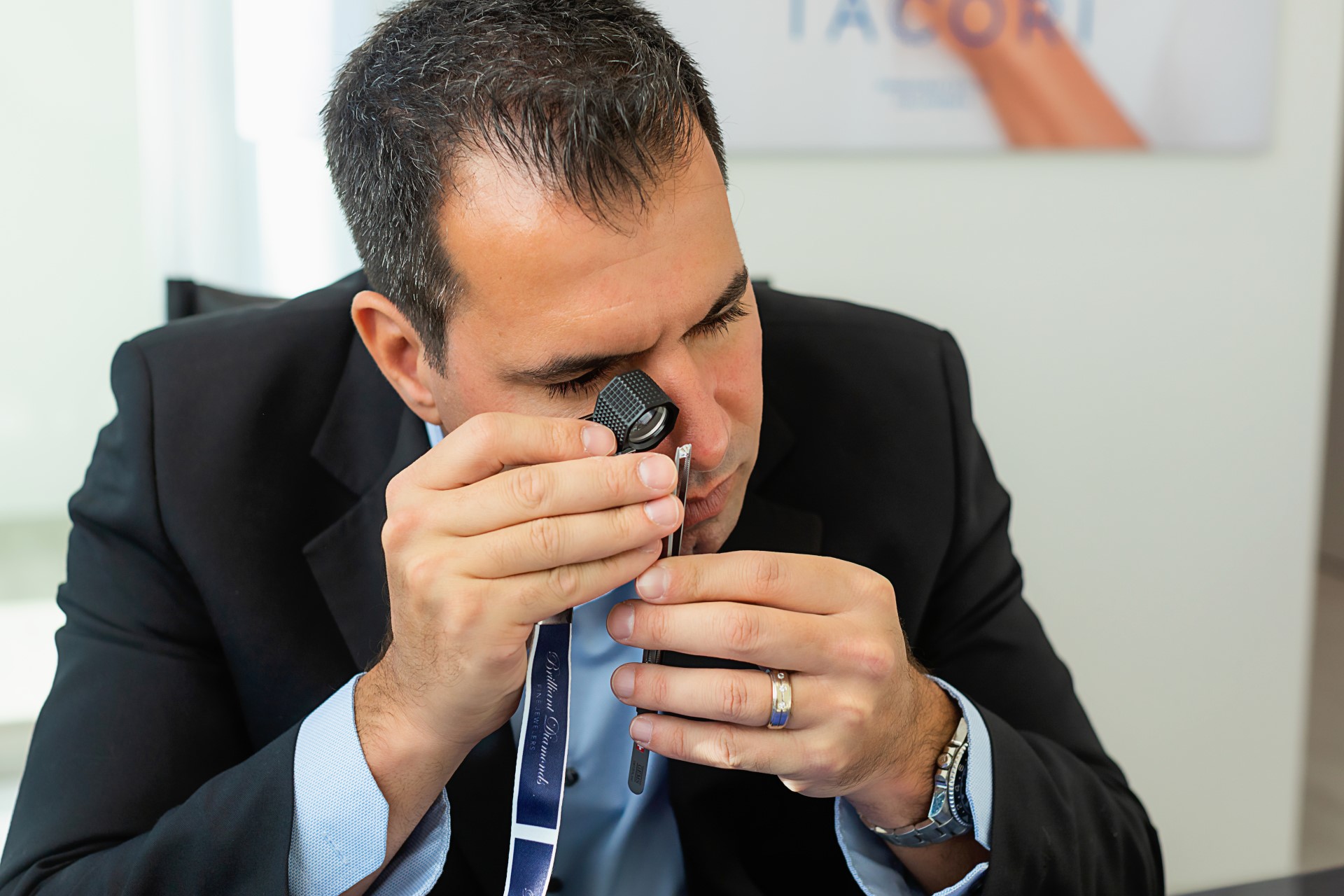
Article by
Ariel Berko
Ariel has been working in the diamond industry in San Diego since 1995, bringing decades of hands-on experience and a deep-rooted family background in fine jewelry. A graduate of the Gemological Institute of America (GIA), he is highly trained in diamonds and known for his expertise in both diamond selection and custom jewelry design.
Over the years, Ariel has built a reputation for guiding clients with honesty, precision, and a personalized approach—helping them confidently choose diamonds and create pieces that are both meaningful and enduring.


