

Not every ring labeled "ethical" actually is. That's the uncomfortable truth that many California couples discover only after they've already made their purchase, when the fine print behind vague sourcing claims starts to unravel. If you've been researching ethical engagement rings in California and found yourself more confused than when you started, you're not alone.
The jewelry industry has a greenwashing problem. Marketing terms like "responsibly sourced" and "eco-friendly" are applied so loosely that they've lost much of their meaning, leaving buyers caught between lab-grown and natural diamond debates, online-only dealers, and the quiet anxiety of committing to a significant investment they can't fully verify.
You deserve a clearer path forward. This guide cuts through the noise to give you a practical framework for evaluating what ethical sourcing actually means in 2026, how to compare your stone options honestly, and why working with a trusted local San Diego jeweler makes a measurable difference in both your confidence and the long-term value of your ring. By the end, you'll know exactly what questions to ask and what answers to trust.
Key Takeaways
- "Conflict-free" is only the starting point — truly ethical engagement rings in California meet a higher standard that includes environmental responsibility, fair labor practices, and community reinvestment.
- Both natural and lab-grown diamonds carry ethical trade-offs worth understanding, and an honest side-by-side comparison will help you choose the option that aligns with your values and budget.
- Custom design is one of the most sustainable paths to a unique ring, reducing overproduction waste through precise CAD modeling and intentional, made-to-order fabrication.
- Selecting a trusted local San Diego jeweler means your ring is supported by lifelong maintenance and professional appraisals — making responsible ownership as important as responsible sourcing.
- By the end of this guide, you'll know exactly which questions to ask any jeweler, what documentation to request, and how to make a confident, informed decision you'll feel good about for decades.
Defining Ethical Jewelry: Beyond the "Conflict-Free" Label
An ethical engagement ring is one that prioritizes transparent sourcing, sustainable manufacturing, and fair treatment of every person involved in bringing that stone from the earth to your finger. That definition matters more than ever in 2026, because the bar has moved well past the minimum standard most jewelers still advertise.
The Kimberley Process, established in 2003 to stem the trade of conflict diamonds, was a meaningful step forward. But its definition of "conflict" is narrow, covering only diamonds used to fund rebel movements against recognized governments. It says nothing about environmental destruction, unsafe labor conditions, or fair wages for mining communities. A diamond can pass Kimberley Process certification and still carry a troubling story. Buyers searching for ethical engagement rings in California deserve to know that distinction before they commit.
True ethical sourcing in 2026 encompasses three interconnected pillars:
- Environmental responsibility: How a stone is extracted and how its setting is manufactured both carry ecological consequences worth understanding.
- Fair labor practices: Workers throughout the supply chain should receive safe conditions and equitable compensation.
- Community reinvestment: Responsible sourcing supports the regions and people who make fine jewelry possible.
There's a fourth dimension that rarely gets discussed: the ethics of durability. A ring built to last a lifetime produces far less waste than one that needs replacing within a decade. Craftsmanship and longevity are ethical choices, not just aesthetic ones.
To see how architectural precision and high-quality materials come together in durable, lasting pieces, learn more about Naude Bourn and their approach to 18k solid gold jewelry.
The Importance of Traceability in 2026
GIA certification gives you a detailed record of a diamond's characteristics, but traceability goes further. It means knowing where your stone was mined, how it was cut, and who handled it along the way. Your jeweler's willingness to answer those questions directly is just as telling as any certificate. A trusted local San Diego jeweler can walk you through that documentation in person, side by side with the stone itself, giving you a level of confidence no online listing can replicate.
Sustainable Metals: The Case for Recycled Gold and Platinum
The metal in your ring carries its own sourcing story. Recycled gold and platinum require no new mining, which significantly reduces habitat disruption, water usage, and carbon output associated with extraction. Working with a local San Diego jeweler who sources recycled precious metals keeps that footprint smaller still, minimizing the long supply chains that add both emissions and opacity to the process. If you're exploring ethical engagement rings in California, asking about the metal's origin is just as important as asking about the stone's.
Natural vs. Lab-Grown: Evaluating the Ethics and Value
The debate between natural and lab-grown diamonds is rarely as straightforward as marketing makes it sound. Both options carry genuine ethical merit, and both carry trade-offs. Understanding those differences honestly is what separates a confident purchase from one that leaves you second-guessing years later.
Ethically Sourced Natural Diamonds
Natural diamonds don't have to mean compromised ethics. When sourced from mines operating under rigorous labor and environmental standards, they can actively support the communities around them. Countries like Botswana and Namibia have built significant public infrastructure, healthcare systems, and educational programs through regulated diamond revenues. That's a social contribution lab-grown stones simply can't replicate. The U.S. State Department human rights reports document conditions across mining regions and serve as a useful, authoritative reference for understanding why sourcing transparency matters far beyond a "conflict-free" label.
When evaluating a natural diamond seller, look for:
- GIA certification on every stone, which verifies natural origin, quality grading, and provides a traceable record
- Clear sourcing documentation that goes beyond Kimberley Process compliance
- Willingness to discuss the stone's origin country directly, not just hand you a certificate
GIA certification also matters for long-term value. Certified natural diamonds have historically retained and appreciated in value in ways lab-grown stones have not, largely because rarity drives the market for natural gems. If you're exploring the full range of natural diamond shapes and how cut affects both brilliance and ethics-conscious buying decisions, this guide to diamond ring cuts is worth reading before you commit.
Sustainability in Laboratory-Grown Diamonds
Lab-grown diamonds eliminate surface mining entirely, which meaningfully reduces land disruption, habitat loss, and the displacement of local ecosystems. That's a real environmental benefit, not a marketing claim. The honest caveat is energy consumption: diamond-growing facilities require substantial electricity, and their sustainability depends heavily on whether that power comes from renewable sources. This is an area where the industry is actively improving, but it's a question worth asking any lab-grown seller directly.
For couples prioritizing minimal ecological footprint over long-term asset value, lab-grown diamonds represent a genuinely sound choice. You can browse both natural and lab-grown engagement rings to compare styles and stones side by side.
Choosing between them ultimately comes down to your personal priorities. Natural diamonds offer rarity, proven value retention, and the potential to support ethical mining communities. Lab-grown diamonds offer a reduced land impact and a lower price point for comparable size. Neither is universally superior for ethical engagement rings in California buyers. What matters is that you make the choice with complete information, not because one option was marketed to you more aggressively than the other. Speak with a diamond expert who can walk you through both options without an agenda, so you can decide what actually aligns with your values.
Custom Design: The Sustainable Path to a Unique Ring
Mass-market jewelry operates on a simple but wasteful premise: produce thousands of identical pieces, display them broadly, and hope enough sell before trends shift. The unsold inventory represents wasted materials, wasted energy, and wasted labor. Custom design sidesteps that problem entirely. When a ring is made specifically for you, nothing is produced speculatively. Every gram of metal, every prong, every setting detail exists because you asked for it.
That precision makes custom design one of the most genuinely sustainable options available to couples searching for ethical engagement rings in California, and one that rarely gets the attention it deserves.
The Custom Design Process in San Diego
Working with a local San Diego jeweler on a custom ring follows a clear, collaborative process that keeps you informed and in control at every stage:
- Step 1 — Initial consultation: You'll define both your ethical priorities and your aesthetic vision. This is where sourcing preferences, metal choices, and design direction all come together in a single conversation.
- Step 2 — Stone selection: You'll compare stones side by side in the showroom, evaluating cut, clarity, and character under real lighting rather than relying on online thumbnails. That direct comparison is something no digital platform can replicate.
- Step 3 — CAD modeling: Before a single tool touches metal, your design is rendered in precise computer-aided modeling. You review and approve the exact dimensions, proportions, and details of your ring before fabrication begins. No guesswork, no material waste, no costly revisions after the fact.
This is where custom design outpaces artisan handcrafting that relies purely on intuition. CAD modeling brings the efficiency and accuracy of modern manufacturing to a deeply personal process. You can start your custom design journey here to see what that process looks like in practice.
There's another dimension worth considering: heirloom repurposing. Incorporating a stone or metal from a family piece into a new design is one of the most meaningful ethical choices you can make. It eliminates new mining entirely for that component while preserving a story that belongs specifically to your family.
This appreciation for heritage and storytelling is also central to the work of T.Skies Jewelry, where authentic Southwest designs are hand-crafted to celebrate cultural legacy and artisan skill.
Local Fabrication and Reduced Carbon Footprint
When your ring is fabricated locally in San Diego rather than shipped from an overseas production facility, the supply chain shortens considerably. Fewer transit legs mean lower emissions, but the benefit goes beyond logistics. You're working directly with the people crafting your ring, which means questions get answered in real time and accountability is built into the relationship, not buried in a supply chain you can't trace.
Custom design puts every component of your ring within your control. The stone, the metal, the setting style, and the fabrication process all reflect choices you made deliberately. That's a standard of ethical engagement ring ownership that no pre-made piece can match. Reach out to discuss your custom design goals with a jeweler who can guide you through each decision with honesty and expertise.

Selecting Your San Diego Jeweler: Lifelong Care as an Ethical Choice
A ring's ethical story doesn't end when you leave the store. True sustainability is measured in decades, not just the moment of purchase. If a piece of jewelry is designed poorly or left unmaintained, it eventually becomes waste. Choosing a local expert who stands behind their work ensures your investment remains as beautiful and secure fifty years from now as it is today. This commitment to longevity is a core pillar for those seeking ethical engagement rings in California.
Contrast this with the high-volume environment of mall retailers or the detached experience of online-only dealers. These models often prioritize quick sales over enduring quality, frequently using thinner bands or less secure settings to hit a lower price point. A local partner views your purchase as the beginning of a lifelong professional relationship. They're invested in the structural integrity of your ring because their reputation lives on your finger, not just on a digital screen.
The Value of an In-Person Consultation
Building that relationship starts with a visit to a San Diego showroom. While digital renderings are helpful, the "naked eye" test remains the only way to truly judge a diamond's brilliance and personality. Seeing stones side by side allows you to verify the transparency and origin claims discussed in earlier sections. It's about more than just the stone; it's about finding a guide you can trust to protect your investment. You can book an appointment for a personal viewing to experience this difference firsthand.
Protecting Your Investment: Maintenance and Repair
Responsible ownership requires consistent care. Regular inspections prevent the loss of stones and the unnecessary waste of replacing damaged settings. Services like prong retipping and professional cleaning extend the life of your piece indefinitely. Additionally, maintaining updated GIA-certified appraisals is vital for insurance and long-term security. If you ever need restoration, working with a local specialist for fine jewelry repair ensures your ring receives the specialized care it deserves. By choosing a jeweler who prioritizes maintenance, you're choosing a more sustainable path for ethical engagement rings in California. You aren't just buying a product; you're securing a legacy.
Your Next Step Toward a Ring You'll Feel Good About Forever
Finding truly ethical engagement rings in California takes more than reading a label. It means understanding what's behind the sourcing claims, choosing a stone that reflects your values honestly, and working with a jeweler who treats your purchase as the beginning of a relationship, not the end of a transaction.
The path forward is clearer than it was when you started. You know what questions to ask, what documentation to request, and why craftsmanship and longevity are ethical choices in their own right. You also know that a GIA-certified diamond, evaluated in person by a trusted local expert, gives you a level of confidence no online listing can match.
Brilliant Diamonds is San Diego's trusted, GIA-certified diamond expert, voted a top jewelry store in the city and committed to lifelong maintenance on every piece we create together. When you're ready to take the next step, we're here to guide you through it without pressure, without gimmicks, and without shortcuts.
Schedule your private consultation today and let's build something worth keeping for a lifetime.
Frequently Asked Questions About Ethical Engagement Rings in California
Is a lab-grown diamond considered an ethical engagement ring choice?
Yes, lab-grown diamonds are a genuinely ethical choice for many couples, though the full picture is worth understanding. They eliminate land disruption from surface mining entirely, which is a meaningful environmental benefit. The honest trade-off is energy consumption: growing diamonds in a laboratory requires substantial electricity, and how sustainable that process is depends on whether the facility runs on renewable power. It's a fair question to ask any lab-grown seller directly before you buy.
Lab-grown diamonds also carry a lower price point for comparable size, which appeals to couples prioritizing ecological footprint over long-term asset value. What they don't offer is the rarity or proven value retention of natural diamonds, so the right choice depends on what matters most to you personally, not which option was marketed more convincingly.
How can I verify if a natural diamond was ethically sourced?
Start by requesting GIA certification, which confirms the stone's natural origin and quality grading, then go further by asking your jeweler to identify the country of origin directly. A jeweler who can't answer that question clearly is telling you something important. Kimberley Process compliance is a baseline, not a guarantee of ethical sourcing, since it doesn't address labor conditions or environmental standards at the mine level.
The most reliable verification comes from working with a trusted local jeweler who maintains transparent sourcing relationships and can walk you through that documentation in person. Viewing the stone alongside its paperwork in a San Diego showroom gives you a level of accountability that no online listing can replicate. If a seller is reluctant to discuss origin beyond handing you a certificate, that reluctance is worth taking seriously.
Are ethical engagement rings more expensive than traditional ones?
Not necessarily. The assumption that ethical sourcing automatically adds a significant premium is one of the more persistent myths in the jewelry industry. Recycled precious metals, for example, are widely available and don't carry a steep cost difference over newly mined alternatives. Lab-grown diamonds actually cost less than comparable natural stones, making them an accessible entry point for couples prioritizing sustainability on a defined budget.
Where cost differences do appear, they tend to reflect genuine quality rather than ethical overhead. A custom-designed ring built to precise specifications using responsibly sourced materials may require more investment upfront, but it's also built to last decades without replacement. That durability reduces long-term cost considerably, and it's one reason ethical engagement rings in California often represent better value than mass-produced alternatives priced to look affordable.
What is the most sustainable metal for an engagement ring?
Recycled gold and recycled platinum are the most sustainable choices available today. Both eliminate the need for new mining, which significantly reduces land disruption, water usage, and the carbon output associated with extraction. The metal performs identically to newly mined material in terms of quality and durability, so there's no functional trade-off involved in choosing it.
Between the two, platinum is naturally denser and more resistant to wear, which contributes to longevity. A ring that doesn't need replacing or re-fabricating for fifty years is inherently more sustainable than one that does. If you're working with a local San Diego jeweler on a custom design, ask specifically about recycled metal sourcing. It's a straightforward question, and a jeweler committed to responsible practices will have a clear answer ready.
Can I use my own heirloom diamond in a custom ethical design?
Absolutely, and it's one of the most meaningful ethical choices you can make. Incorporating a stone or metal from a family piece into a new custom design eliminates new mining entirely for that component, while preserving a personal story no newly purchased diamond can carry. It's a genuinely sustainable option that aligns with every pillar of responsible sourcing.
The process starts with a professional evaluation of your heirloom stone to assess its condition, grading characteristics, and how it can best be set in a new design. From there, CAD modeling allows your jeweler to build a setting around the stone's exact dimensions before fabrication begins, so nothing is left to guesswork. If you have a family piece you'd like to reimagine, reach out to discuss your options with a local expert who can guide you through the process with care.
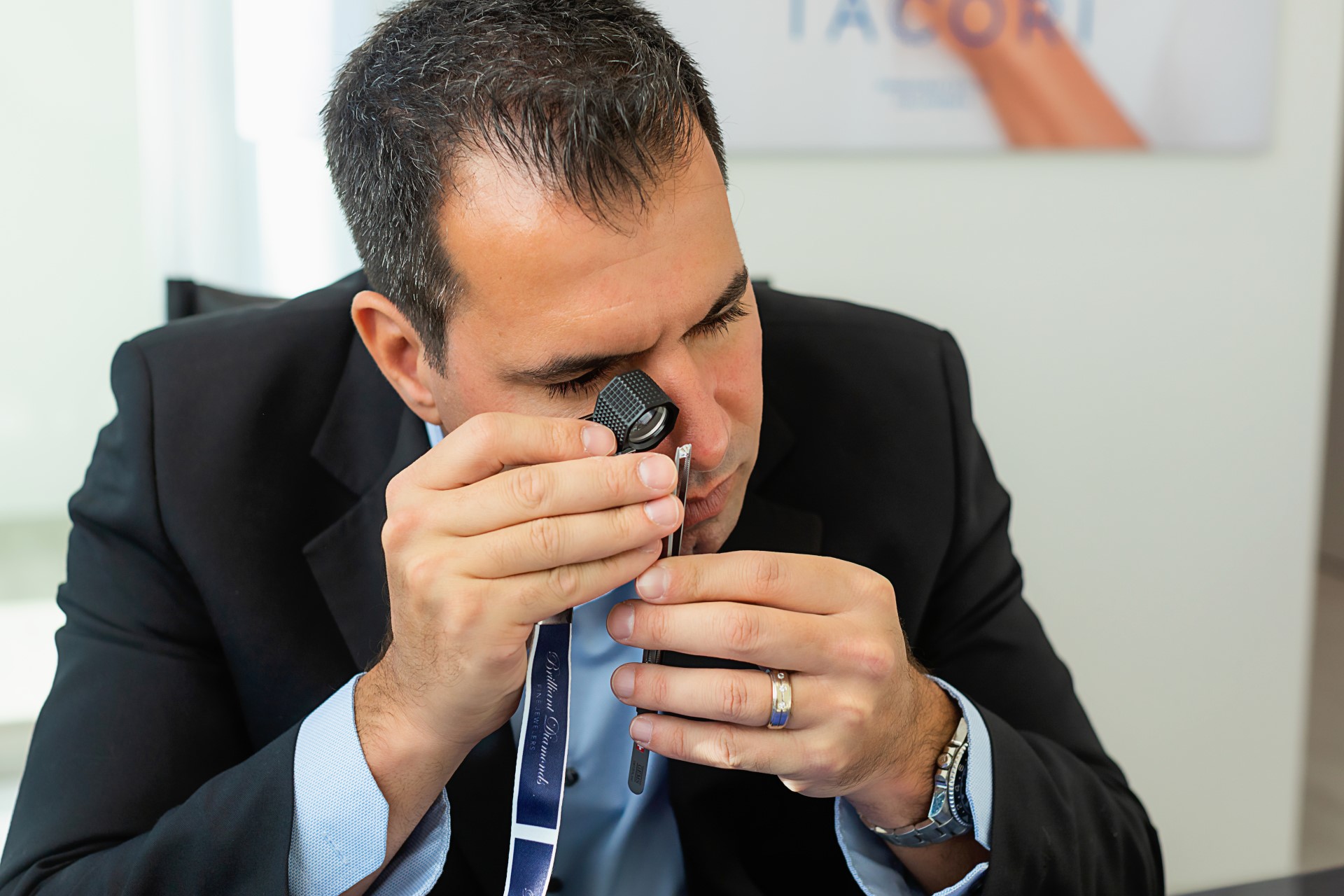
Article by
Ariel Berko
Ariel has been working in the diamond industry in San Diego since 1995, bringing decades of hands-on experience and a deep-rooted family background in fine jewelry. A graduate of the Gemological Institute of America (GIA), he is highly trained in diamonds and known for his expertise in both diamond selection and custom jewelry design.
Over the years, Ariel has built a reputation for guiding clients with honesty, precision, and a personalized approach—helping them confidently choose diamonds and create pieces that are both meaningful and enduring.


