
What if the engagement ring or pendant you choose today is more than just a beautiful accessory? While many people worry that fine jewelry depreciates the moment it leaves the showroom, the reality is that the long-term value of diamonds is built on a foundation of rarity and verified quality. You've likely heard conflicting stories about market prices, especially with the recent divergence where smaller natural stones saw price increases in early 2026 while other categories shifted. It's natural to feel a bit of hesitation when faced with the high-pressure tactics of big corporate chains that prioritize a quick sale over your future security.
We believe a significant purchase should feel like a partnership, not a cold transaction. In this guide, you'll discover how GIA certification and specific rarity factors act as a safeguard for your investment. We'll show you how to distinguish between passing trends and lasting worth, ensuring you feel confident in your choice. From understanding the latest 2026 market shifts to the essential role of expert maintenance, you'll learn how to preserve the financial and emotional legacy of your most cherished pieces.
Key Takeaways
- Learn how to define the long-term value of diamonds by balancing market resale potential with the physical durability required for a lifelong heirloom.
- Understand the specific factors, from the 4Cs to inherent rarity, that help certain natural stones maintain their worth over decades.
- Discover the essential maintenance steps, like prong retipping and professional appraisals, that prevent the loss of your stone's financial worth.
- Find out how a custom design process and a transparent local partnership provide a secure alternative to the misleading tactics of corporate jewelry chains.
Understanding the Long-Term Value of Diamonds and Gems
When you choose a fine piece of jewelry, you're doing more than making a purchase; you're starting a legacy. The long-term value of diamonds isn't defined by a single price tag, but rather by a combination of market resale potential and heirloom durability. It's about how well a stone retains its brilliance and structural integrity over decades of wear. While gold is often viewed as a purely liquid asset traded by weight, diamonds are unique, individual assets that require a more nuanced understanding. You can explore the complexities of Diamonds as an investment to see how market trends and price variability differ from traditional commodities.
Market demand also plays a significant role in value retention. Traditional shapes like the round brilliant often see more stable historical price trajectories because they remain consistently popular. If you're visiting our San Diego showroom to compare stones side-by-side, you'll see how specific cuts and sizes attract different levels of interest. Choosing a stone with high intrinsic worth ensures that your engagement ring remains a stable part of your family's history.
Emotional Value vs. Financial Worth
It's easy to let the "price of love" overshadow the technical quality of a stone, especially during a milestone like an engagement. However, the emotional significance of a ring is best protected when the stone itself is of superior quality. While family history and personal memories add an intangible value that can't be measured in dollars, the physical stone must be capable of lasting through generations. This dedication to sourcing high-quality natural materials is also found at Infinity Stone Inc., where premium stone slabs are selected for their durability and beauty in luxury design. We help you find that balance, ensuring your sentiment is backed by a stone with lasting market appeal.
The Role of Certification in Value Retention
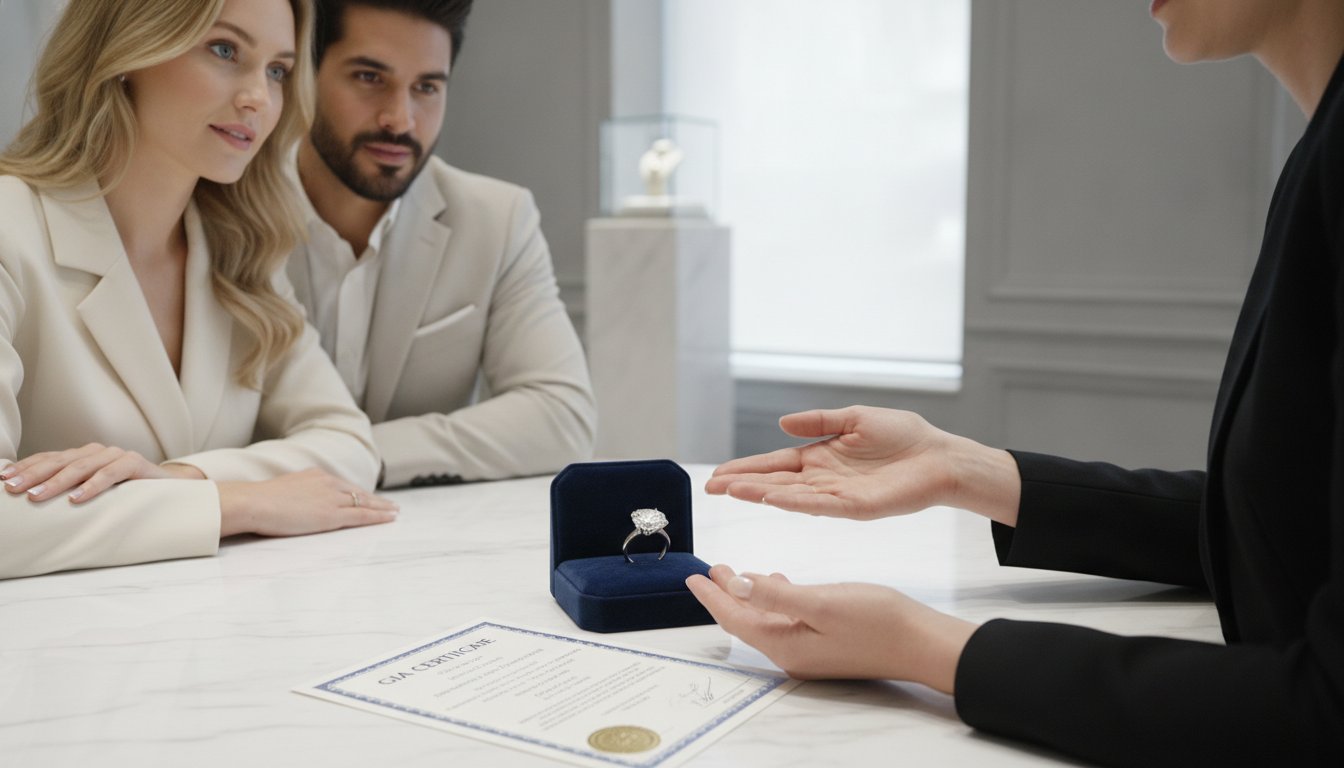
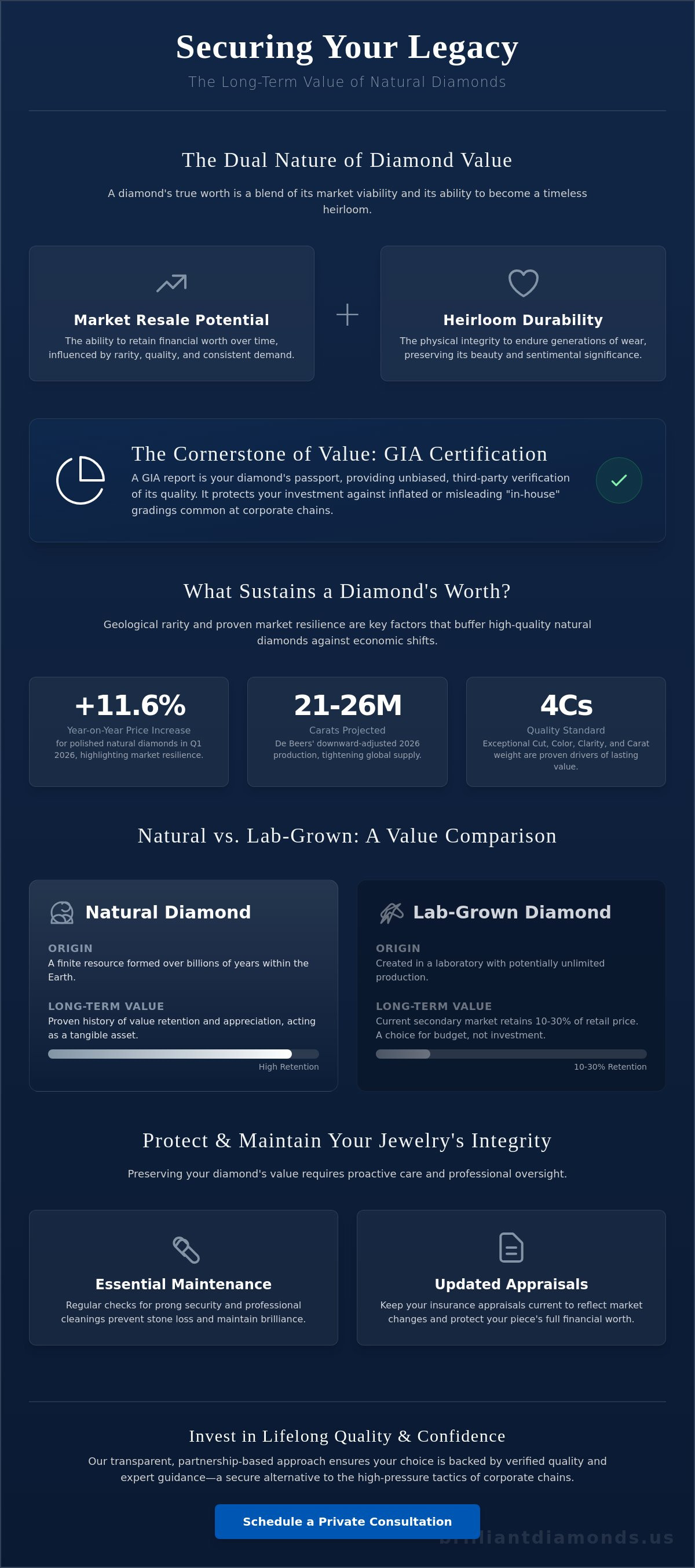
Think of a GIA report as a permanent passport for your diamond. This document provides an unbiased, third-party verification of the stone's characteristics, which is essential for maintaining its worth. Many large corporate chains rely on "in-house" gradings that can be inflated or misleading. Choosing a stone with a GIA report protects you from overpaying for a diamond that might not meet its claimed quality. Without this standard, the long-term value of diamonds can be significantly compromised if you ever need an insurance appraisal or decide to pass the piece down to the next generation.
Factors That Sustain Diamond Rarity and Market Worth
The long-term value of diamonds isn't just a marketing concept; it's a reflection of geological reality. Every natural diamond is a finite resource, and as of early 2026, global production plans have tightened significantly. De Beers, for example, adjusted its 2026 production guidance downward to 21–26 million carats. This supply-side pressure, combined with the rigorous standards of GIA's Diamond Quality Factors, ensures that high-quality stones remain distinct from mass-market alternatives. When you choose a stone with exceptional 4C parameters, you're opting for a piece with a proven history of stability. In fact, polished diamond prices saw a year-on-year increase of 11.6% in the first three months of 2026, highlighting the resilience of the natural market.
The Rarity Factor in Diamonds & Gems
Rarity acts as a buffer against economic shifts. While the overall Fancy Color Diamond Index saw a slight 0.2% decrease in early 2026, these stones remain incredibly sought after due to their limited occurrence in nature. The specific shape you choose also matters. Understanding Diamond Ring Cuts helps you see why certain styles maintain a higher resale demand. In our San Diego showroom, we often help clients compare these nuances side-by-side to find the perfect balance of beauty and scarcity.
Lab-Grown Diamonds: A Different Value Proposition
We believe in providing you with all the facts so you can make an informed decision. Laboratory-grown diamonds have gained popularity for their ethical appeal and lower entry price, with 1-carat stones averaging $725 to $1,000 in 2026. They are chemically identical to natural diamonds and offer a stunning look for a fraction of the cost. However, they follow a different value trajectory. In the current secondary market, lab-grown diamonds typically retain 10% to 30% of their retail price. If you view your purchase as a long-term financial asset, a natural stone is often the more secure choice. To discuss which option aligns with your vision, feel free to speak with our team today.
How to Protect and Maintain Your Jewelry’s Financial Integrity
Owning a masterpiece is a lifelong journey. To ensure the long-term value of diamonds remains intact, you must look beyond the initial purchase and focus on consistent preservation. While home care is excellent for maintaining daily sparkle, it can't replace the expert eye of a jeweler who understands the technical nuances of fine jewelry. Regular visits to our San Diego showroom allow us to inspect the structural health of your piece, ensuring that a minor issue doesn't turn into a devastating loss. If you notice your stone shifting or catching on fabric, it's time to seek Professional Jewelry Repair in San Diego before the integrity of the setting is compromised.
The Importance of Certified Appraisals
Markets are dynamic. A diamond valued a decade ago likely isn't adequately covered by your insurance today. We recommend updating your insurance appraisals every 3 to 5 years to stay current with replacement costs. This is particularly vital following the market shifts of early 2026, where specific natural diamond categories saw price growth. Professional documentation acts as a financial safeguard, providing peace of mind that your investment is fully protected against theft or accidental loss.
Preventative Maintenance and Repair
The most common cause of diamond loss is a compromised setting. Over time, even the strongest gold or platinum prongs can wear down or bend. Services like prong repair and retipping are essential for keeping your stone secure in its mounting. By catching these issues early, you avoid the total loss of your diamond's financial and emotional worth. Our team prioritizes transparency, showing you exactly what needs attention under a jeweler's loupe so you can make informed decisions about your jewelry's care. If it's been over a year since your last professional cleaning and check-up, contact us to schedule a maintenance inspection and keep your jewelry in pristine condition.
Maintaining the structural integrity of your investments isn't limited to jewelry; for those who take similar pride in their home's appearance, you might want to check out Bayside Pavers to learn how to properly care for the joints in your stone walkways.
The Brilliant Diamonds Advantage: Investing in Lifelong Quality
Choosing where you buy your diamond is just as important as the stone itself. While big-box retailers often rely on high markups and aggressive sales tactics, we prioritize transparency and a neighborly spirit. We don't just want to sell you a ring; we want to build a lifelong professional relationship that spans generations. This partnership ensures the long-term value of diamonds is protected through honest pricing and dedicated care. By avoiding the misleading discounts common in the corporate jewelry industry, we provide a stable, trustworthy foundation for your investment from day one.
Custom Design vs. Mass-Market Settings
Most mass-produced rings are cast in bulk, which can lead to structural weaknesses or generic aesthetics that fade with time. In contrast, creating a one-of-a-kind engagement ring through our custom process allows for superior quality control. We use advanced CAD modeling and local fabrication to ensure every prong is perfectly placed and every edge is hand-finished. These artisanal details don't just look better; they provide the durability needed for an heirloom piece. A unique, custom-designed ring often holds its value more effectively because it isn't subject to the same commoditization as mass-market styles found in every mall.
The In-Store Experience in San Diego
There's no substitute for seeing a diamond with your own eyes. In our San Diego showroom, we invite you to sit down and view GIA-certified stones side-by-side under a jeweler's loupe. This transparent approach helps you understand exactly what you're buying without any pressure or corporate jargon. You'll see the subtle differences in cut precision and clarity that technical reports can't fully capture on their own. Whether you're comparing natural stones or exploring our collection of lab-grown options, we're here to guide your educational journey. To start your search for a piece that will last a lifetime, book an appointment with a diamond expert today and experience the difference of a true local partnership.
Secure Your Legacy with Expert Guidance
Choosing a fine piece of jewelry is a significant milestone that deserves a foundation of transparency and trust. You've seen how the long-term value of diamonds relies on a delicate balance of inherent rarity, ironclad GIA certification, and the structural integrity provided by professional care. Your choice matters. Whether you're drawn to the timeless scarcity of a natural stone or the modern appeal of a lab-grown option, your decision should be guided by education rather than high-pressure sales tactics. We don't just want to sell you a stone; we want to help you build a legacy through a lifelong professional relationship.
By prioritizing custom design and regular maintenance, you ensure your jewelry remains a stable asset and a cherished family heirloom for decades to come. Our San Diego showroom features ethically sourced options and GIA-certified experts on-site ready to help you compare stones side-by-side. Our custom-design specialists are here to provide the specialized knowledge your investment deserves. We invite you to Schedule a Consultation with a Diamond Expert to begin your journey with confidence. We look forward to seeing you soon.
Frequently Asked Questions
Do natural diamonds go up in value over time?
High-quality natural diamonds have historically shown a pattern of price stability and appreciation, though they shouldn't be viewed as a liquid cash asset. Market trends in early 2026 revealed that while some categories fluctuated, polished natural stones saw a year-on-year price increase of 11.6%. The long-term value of diamonds is most resilient in stones with high rarity and exceptional 4C parameters.
Will a lab-grown diamond have any resale value in 10 years?
Lab-grown diamonds currently retain between 10% and 30% of their original retail price on the secondary market. Unlike natural stones with finite supplies, lab-grown production can increase with technology, which often leads to lower costs over time. They are a wonderful option for those prioritizing size and beauty on a budget, but they don't share the same historical resale trajectory as natural gems.
How often should I have my diamond jewelry appraised for insurance?
We recommend updating your professional insurance appraisals every 3 to 5 years. This regular schedule ensures your policy reflects the current cost to replace your piece in today's market. With recent shifts in global production and pricing for natural stones, an outdated appraisal could leave you underinsured. Our San Diego team provides detailed documentation to keep your investment fully protected.
Why is GIA certification so important for a diamond’s long-term worth?
GIA certification provides an objective, third-party verification of a stone’s characteristics, acting as a permanent passport for your gem. It protects you from the inflated or misleading gradings sometimes found at mass-market retail chains. This standardized report is recognized worldwide, ensuring the long-term value of diamonds is verifiable whenever you seek an appraisal or consider a trade-in.
Does the setting of a ring affect the overall value of the diamond?
The setting affects value by providing the structural security necessary to prevent the total loss of your diamond. High-quality metals like platinum or 18k gold have their own intrinsic worth, but their primary job is to protect your stone from damage. A custom-designed setting offers superior durability compared to mass-produced alternatives, helping to maintain the piece's overall financial and emotional integrity over time.
Article by
Ariel Berko
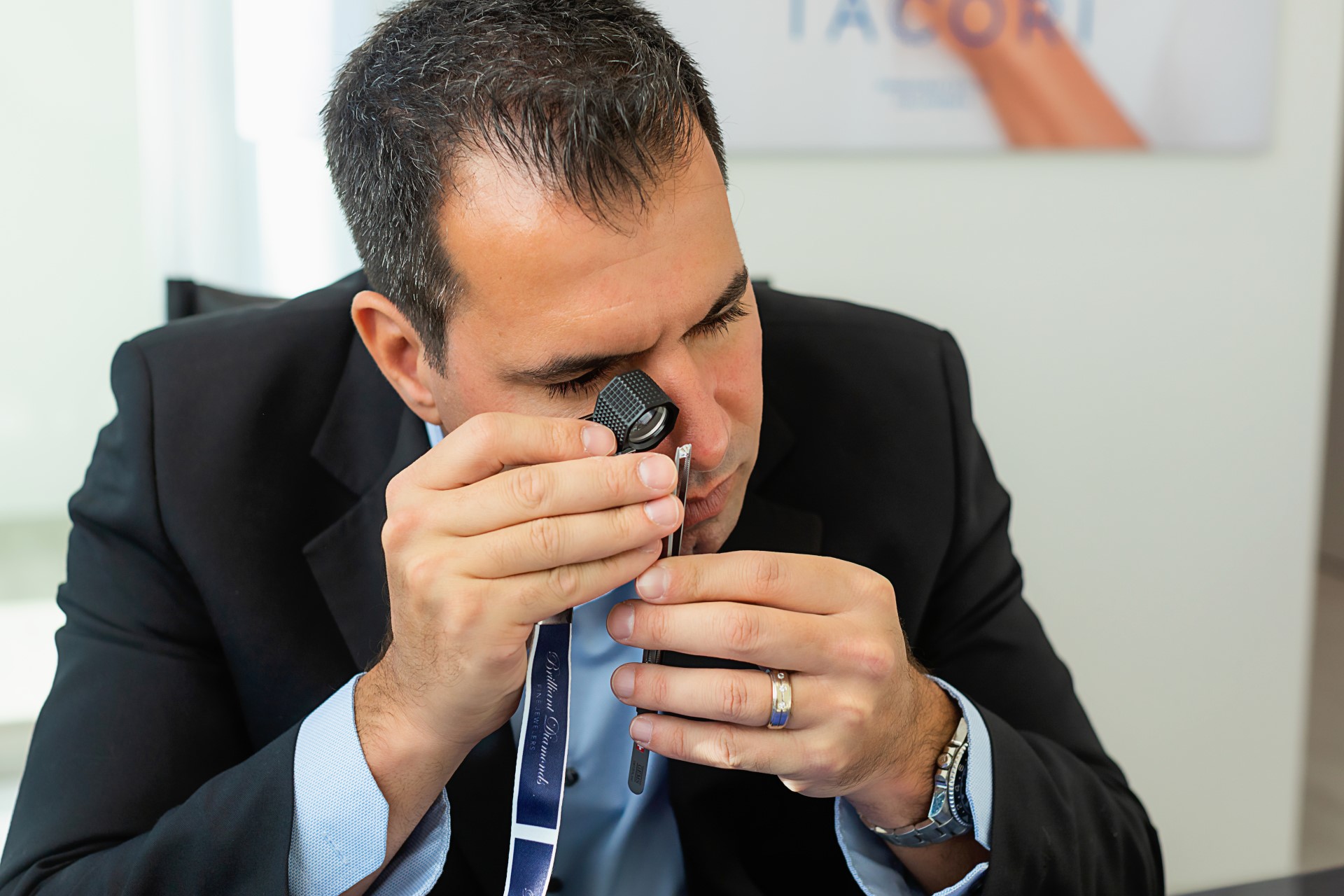
Ariel has been working in the diamond industry in San Diego since 1995, bringing decades of hands-on experience and a deep-rooted family background in fine jewelry. A graduate of the Gemological Institute of America (GIA), he is highly trained in diamonds and known for his expertise in both diamond selection and custom jewelry design.
Over the years, Ariel has built a reputation for guiding clients with honesty, precision, and a personalized approach—helping them confidently choose diamonds and create pieces that are both meaningful and enduring.


